

A GUIDE ON SHINSENGUMI –
THE BACKGROUND AND MANAGEMENT
At the twilight of the Tokugawa shogunate, as Japan stood on the brink of revolution and transformation, a group of warriors emerged—resolute, disciplined, and unflinchingly loyal. They were the Shinsengumi.
Formed in 1863 under the leadership of Kondō Isami and Hijikata Toshizō, the Shinsengumi began as a small unit tasked with protecting Shogun Tokugawa Iemochi during his visit to Kyoto. Sponsored by Matsudaira Katamori, the lord of Aizu-han, these samurai, initially known as the Rōshigumi, soon rose to prominence following their decisive roles in events such as the Ikedaya Incident and the 18 August Coup. Their bravery, strict discipline and tragic fates etched them into legend.
As Japan plunged into civil conflict, the Shinsengumi remained steadfast in their devotion to the shogunate, even as tides turned against them. Many fought to the bitter end, embodying the spirit of Bushidō, the samurai code of honour. Their courage, sacrifice and unwavering loyalty continue to capture imaginations around the world, earning them a revered place in the records of Japanese history.
This book, A Guide on Shinsengumi – The Background and Management, offers an accessible and richly illustrated introduction to the formation, internal structure and legendary figures of the Shinsengumi. Adapted from the acclaimed Chinese-language title 《幕末英傑 – 新選組》(Stephane Lun 著) by Stephane Lun, the English edition is equally well received with rich information supplemented with rare photographs, artefact images and on-site historical remains that vividly bring the Shinsengumi’s world to life.
What’s Inside
The book is thoughtfully organized into 37 concise and engaging sections, including:
- Historical Background:
The impact of the Perry Expedition, the role of Matsudaira Katamori and the turbulent state of late-Edo Japan. - Culture & Identity:
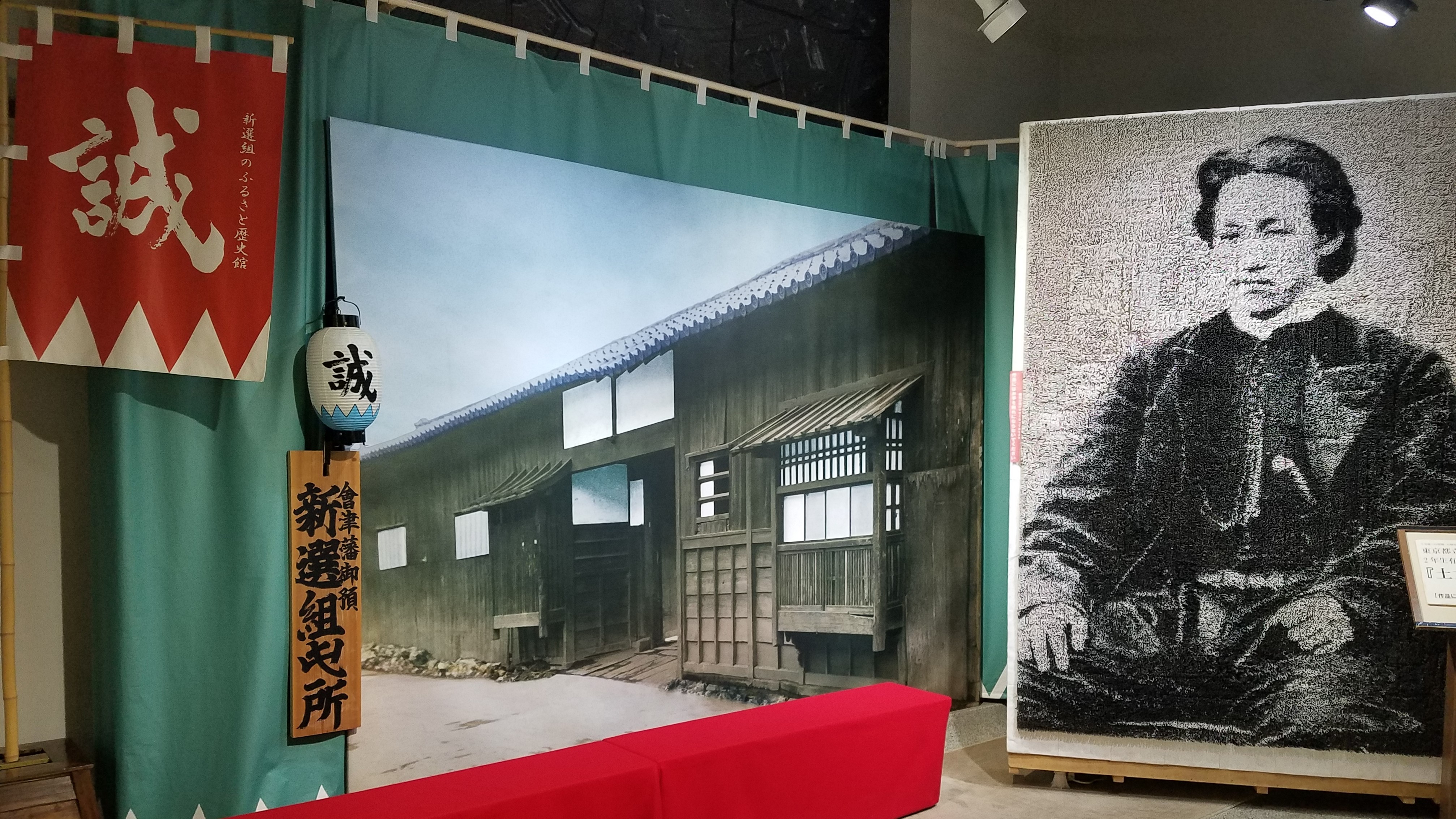
The meaning behind the Shinsengumi’s name, their signature Asagi-iro haori (light blue jackets), Makoto banner, and their adherence to Kyokuchū Hatto (regulations). - Headquarters & Daily Life:
The Yagi Residence, Mibu-dera Temple and organizational structure of the troop. - Key Personnel:
In-depth profiles of core members including Hijikata Toshizō, Okita Sōji, Nagakura Shinpachi, Saitō Hajime, Tōdō Heisuke, and many more. - Notable Events:
The Ikedaya Incident, Aburanokōji Incident, the assassination of Serizawa Kamo and interactions with figures like Sakamoto Ryōma and the Sekihōtai. - Places of Memory:
Historical locations such as Nishi Hongwanji, Shimabara, Hino City, and travel notes on relevant heritage sites.
Graced with the support of Ms. Megumi Hijikata, director of the Hijikata Toshizō Museum and descendant of Hijikata’s elder brother, the book represents a heartfelt tribute and a bridge between past and present.
“ I feel very honored that there are people in overseas who find great interests in Shinsengumi and my ancestor, Toshizo”
– Megumi Hijikata, Director of Hijikata Toshizo Museum
A must-have for samurai enthusiasts, Japanese history lovers, and anyone inspired by courage, loyalty, and the bittersweet beauty of a fading era.

Available on Rakuten Kobo (click to enter)

Available on Amazon Kindle (click to enter)
Or purchase the book in a pdf format

 English
  Chinese