

HISTORY
The Makoto Banner
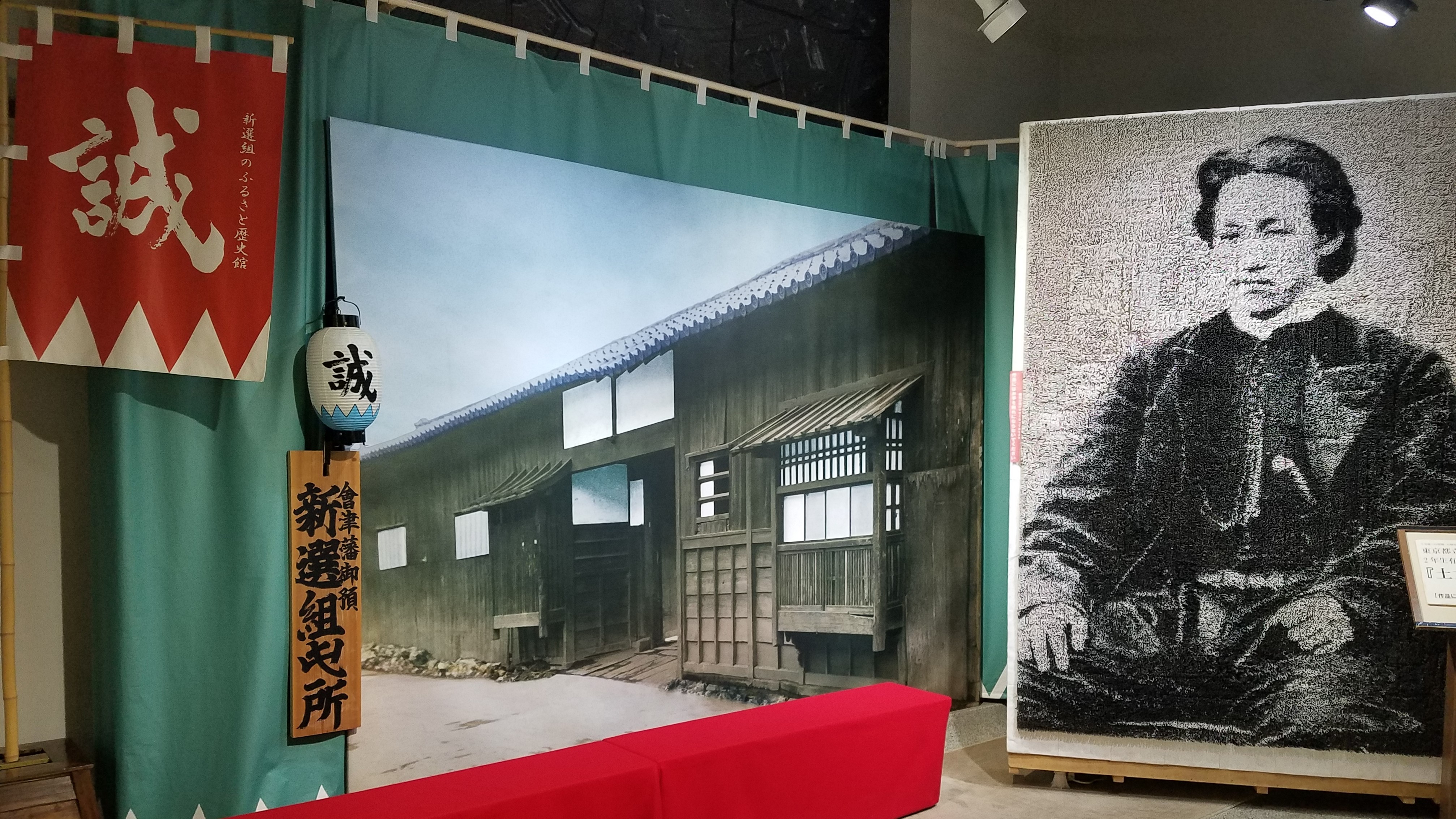
The Shinsengumi’s official banner was represented with the 誠 ‘sincerity’ Kanji character, also known as Makoto, sewn in white and emblazoned on a blood-red background. In the days of the Mibu Rōshigumi, Makoto had already been well recognized as the team’s spirit and framework. Made of red gauze, the banner was approximately four feet long and three feet wide, with the Kanji character printed in the centre and adorned with a mountain-shaped pattern on the bottom. Makoto means sincerity and truth. As the name suggests, this represents their respect and loyalty to the shōgun and the Aizu-han.
The choice of the word Makoto had other implications. When the banner was held high and swaying in the wind, the 誠 Kanji character appeared similar to試, a word representing Shieikan, a dojo for Tennen Rishin-ryū. Back in 1860 Kondō Isami, at the age of twenty-seven, succeeded as the fourth generation Tennen Rishin-ryū master on the merits of his remarkable swordsmanship and integrity. Okita Sōji and Hijikata Toshizō respectively joined the Shieikan in 1852 and 1859, and both Yamanami Keisuke and Tōdō Heisuke enjoyed a temporary stay there prior to their duty in Rōshigumi. The core figures of the Shinsengumi had a particularly strong affection for the Shieikan, and the correlation of the two Kanji characters in term of writing no doubt tightened the two’s bond.


The taiga drama Shinsengumi! gave a third Makoto interpretation for the banner, which was to treat people with sincerity just like commander Kondō Isami. Consisting of a pool of rōnins from all walks of life and adapted with a carefree lifestyle, it was very difficult to keep the team cohesive especially in face of uncertainty and challenges. However Kondō Isami did it via an incredible demonstration of his extraordinary interpersonal skills. Nagakura Shinpachi once shared in his memoirs that refining his swordsmanship was the goal towards approaching the Shieikan on initial thought. Along the way, he was fascinated by Kondō Isami’s chivalrous nature along and decided to remain behind so that they could pursue these ideals together.
The banner’s colouring was also taken into serious consideration. The blood-red background symbolized sacrifice in the pursuit of ideals while the Makoto Kanji was either in white or gold, the white symbolizing loyalty, being pure and intact and the gold symbolizing loyalty’s pricelessness. A tool to keep members highly motivated, the Makoto banner indisputably fulfillled its duty to great extent.


 English
  Chinese