

HISTORY
The Asagi-iro haori (part 2)
Taking reference from Nagakura Shinpachi’s memoirs, the haori was produced by the Matsubara branch Dai-Monjiya. Founded in 1717, the shop was later renamed as Daimaruya (now Daimaru Matsuzakaya Department Stores). The asaji-iro haori was the interest of all, especially given that there is no artefact left behind by its members. In 2020, Kyoto Daimaru, based on the dyeing technique and hand-woven linen materials’ historical record, remade the period’s asaji-iro haori. The remake, as compared with the haori made for the taiga drama and movies, appeared considerably darker given to the chemicals and dyeing technique’s difference in the two different technology phases.


The asaji-iro haori remake was exhibited at Kyoto’s Mibu-dera in April 2020
Nowadays, in entertainment videos, Shinsengumi members were always seen marching triumphantly march along the street with their iconic asagi-iro. Based on interview records with Yagi Tamesaburo in Shinsengumi ibun, in reality, they were prone to dismissing the outfit in their daily operations. Given the financial constraints at the time, the haori was made of coarse linen which was not desirable for clothing use given its heat retention in warm conditions. The texture also made one look particularly clumsy and shabby. Adding to their woes, the asagi-iro colour was associated with low-ranking samurai from the outskirts since the Edo period’s early days. The colour was once a great hit in Edo and any visiting samurai tended to wear it in pursuit of the town’s striking cultures. However, the Edo locals gradually covered the colour and it went out of fashion. Asagi-iro became a countryside samurai symbol ever since. It was even mocked by the ‘asagi-ura’, Yoshiwara prostitutes of Edo’s famous yūkaku or red-light district. Except from the few leading members of the patrolling team, the rest of them avoided wearing the asagi-iro haori in light of its implications. It is said the haori was last seen at Ikedaya jiken, meaning that it was worn for just a year. This is definitely contrary to the general public’s Shinsengumi’s image perception.

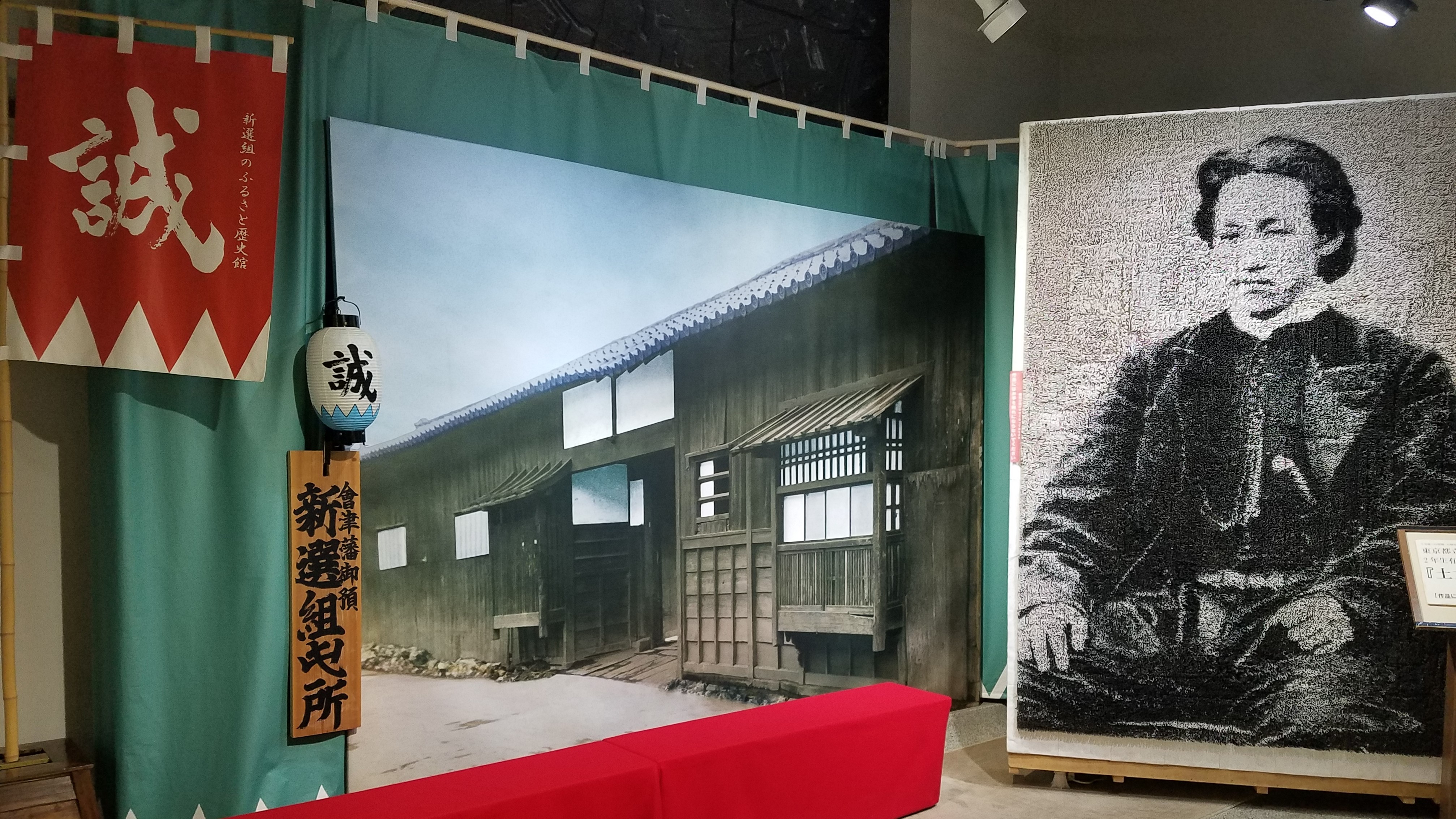
Back in 1863, the haori was not popular as expected whereas the Makoto banner was everyone’s favourite. Yagi Tamesaburo also recalled that the members particularly enjoyed waving the banner in the wind in the kyu-maekawatei open space. They even made lanterns bearing the Makoto Kanji character and mountain-like pattern for headquarter and patrolling use. As part of the Shinsengumi family, they were treated as dignified samurai with Makoto in their hearts. The ronins once leading a carefree life now settled down with a sense of identity and belonging.

 English
  Chinese