

OTHER SITES
Ueno Park (Tokyo)
Ueno Park is one of the key landmarks in Japan’s modern history. Within the park are not only preserved natural landscapes and cultural facilities, but also monuments commemorating significant figures and events from the Meiji Restoration period.
One of the most iconic statues in the park is that of Saigō Takamori. As one of the prominent leaders of the Meiji Restoration, Saigō played a pivotal role during the Boshin War in negotiating a peaceful form of surrendering between the Tokugawa shogunate and the new government. His efforts led to the Edo Muketsu Kaijō, sparing countless civilian lives and leaving a meaningful impact on Japan’s history. The statue, created by Japanese sculptor Takamura Kōun in 1898, stands 3.7 meters tall and depicts Saigō dressed in a simple kimono, walking with his beloved dog. This humble and approachable portrayal reflects his warm public image and embodies his samurai spirit and dedication to the nation and its people. Takamura Kōun was known for his exquisite sculpting techniques, with many of his works noted for their meticulous detail and deep understanding of character.One of the most iconic statues in the park is that of Saigō Takamori. As one of the prominent leaders of the Meiji Restoration, Saigō played a pivotal role during the Boshin War in negotiating a peaceful form of surrendering between the Tokugawa shogunate and the new government. His efforts led to the Edo Muketsu Kaijō, sparing countless civilian lives and leaving a meaningful impact on Japan’s history. The statue, created by Japanese sculptor Takamura Kōun in 1898, stands 3.7 meters tall and depicts Saigō dressed in a simple kimono, walking with his beloved dog. This humble and approachable portrayal reflects his warm public image and embodies his samurai spirit and dedication to the nation and its people. Takamura Kōun was known for his exquisite sculpting techniques, with many of his works noted for their meticulous detail and deep understanding of character.
In addition, the gravesite of the Shōgitai is also located within Ueno Park. The Shōgitai was a military unit formed by former Tokugawa samurai, which fought fiercely against the new government forces in the Battle of Ueno on 15 May 1868. This battle marked the final major resistance of Tokugawa loyalists in Edo. The Shōgitai fought valiantly and sacrificed their lives to defend the traditional shogunate system. The gravesite is located on the western side of Ueno Park. The small gravestones at the front were erected in 1869 by the abbot of Kaneiji Temple to bury the war dead, while the larger monument at the rear was established in 1881 by supporters, including loyalists such as Ogawa Kōkyō, to honor the spirit and sacrifice of the Shōgitai.
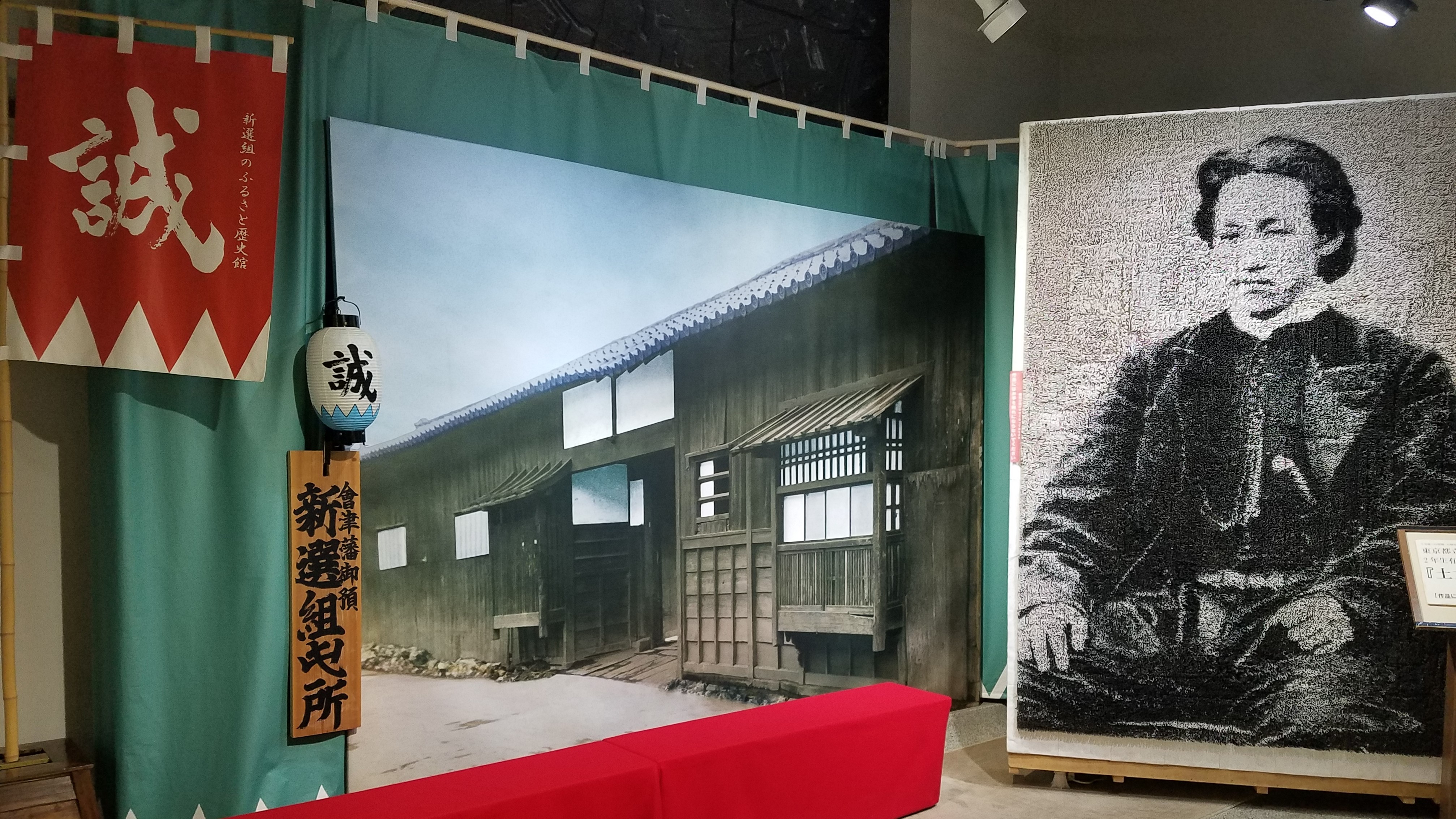
Notably, Harada Sanosuke, who had served as the captain of the 10th unit of the Shinsengumi, joined the Shōgitai after leaving the Shinsengumi and participated in the Battle of Ueno. According to historical records, he was wounded in the battle and died two days later from his injuries.


 English
  Chinese