
新選組隊服方面,就是標誌性的淺蔥色 (Asagi-iro) 羽織 (haori),及直紋的單衣。據《八木為三郎老人壬生史話》記載,隊士初到壬生之時,每人都衣衫襤褸,明顯的一貧如洗。
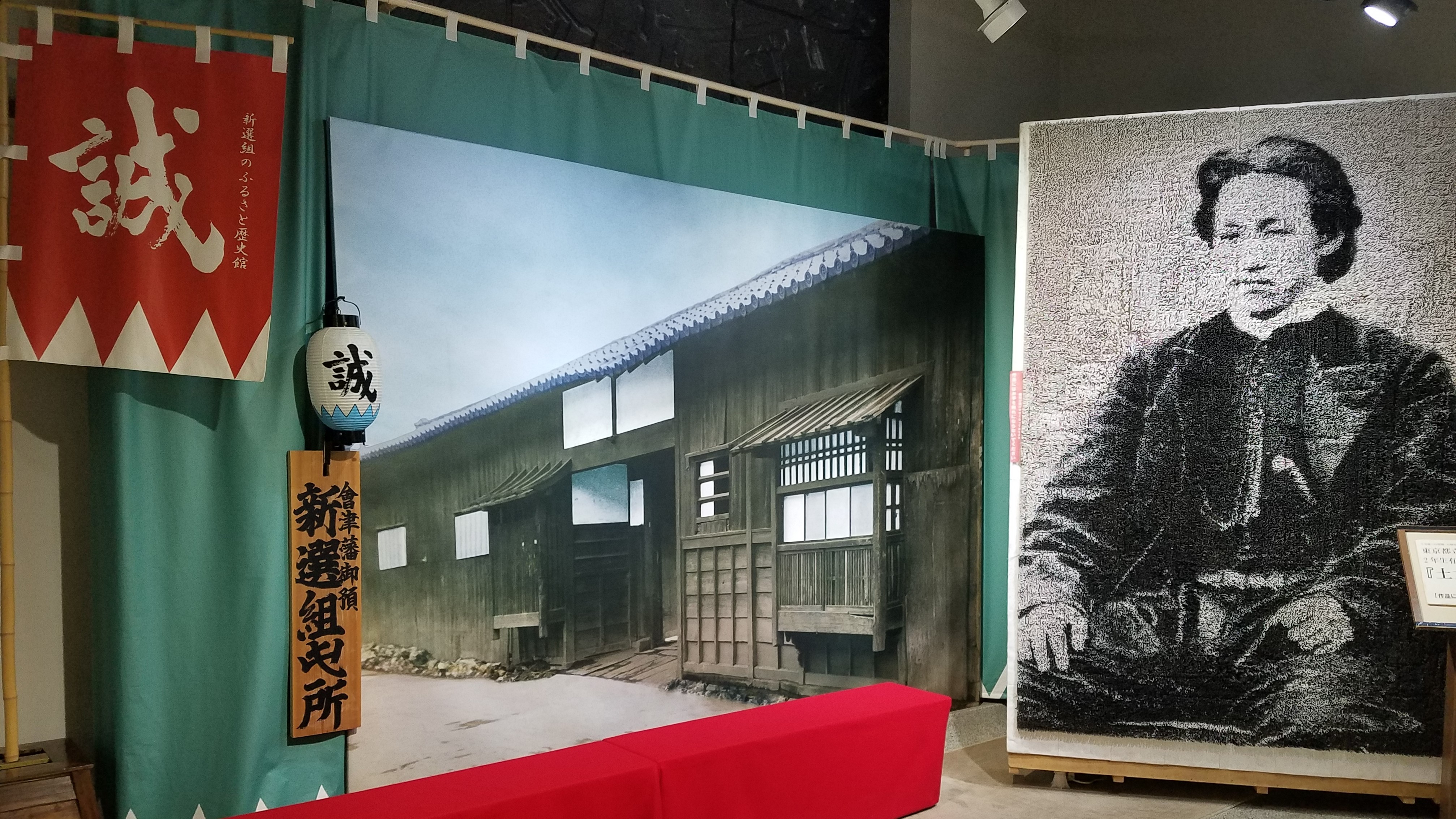
In the making of a representative haori, Serizawa Kamo took the reference of Akō jiken in 1701 of which daimyo Asano Naganori was framed by Kira Yoshinaka. The former, in a deteriorating relationship with the latter, attempted to kill him in vain. Subsequently Asano Naganori was sentenced to commit seppuku whereas his antagonist was pardoned. Ōishi Kuranosuke Yoshio, Asano’s main counsellor, plotted the vendetta upon summoning forty-six rōnins, assassinating Kira Yoshinaka at his residence. On the night of vendetta, they were dressed in black haori with white mountain-shaped stripes at the base of their sleeves, a prototype of the Shinsengumi’s uniform thereafter. All forty-six rōnins, together with Ōishi Kuranosuke Yoshio, were ordered seppuku for the crimes committed out of personal enmity.


雖然這起仇討事件最終以四十七人被下達切腹而落幕,但大石內藏助完全體現了對藩主的忠誠及堅強的信念,讓後世讚頌,也帶出了武士為了維護名聲,不顧自身性命而尋求被捨棄的公義。此故事於二零一三年被荷里活電影改編成《浪魂47》。據說芹澤鴨對引用了赤穗藩士的服飾時顯得洋洋得意。大河劇《新選組!》把近藤勇改編成參考赤穗服飾的人,而芹澤鴨情人阿梅則建議淺蔥色,芹澤鴨認同。


Asagi-iro is one of Japan’s traditional colours. Generally, the colours’ names originate either from plants, flowers or animals, and asagi-iro is a light greenish blue resembling scallion leaves. In the old days of Japan, during the ritual, the samurai committing seppuku would wear an asagi-iro kamishimo, or a traditional ceremonial kimono. Thus the colour, in the samurai’s eyes, well-characterizes an honourable death. In this respect, the Shinsengumi haori coloured asagi-iro was a wise choice to remind the members to fight in battle with dignity and to their death for the lord.


 English
  Chinese