
在歷史記載中,新選組的羽織為淺蔥色,但以前的染料終究和現代化學調色具有分別。據永倉新八回憶錄,當時新選組的隊服是由大丸吳服店 (松原店) 包辦。大丸吳服店(現大丸松阪屋百貨店) 始創於一七一七年京都.伏見。有見及此,大丸京都店現根據江戶時代歷史記載的天然染料技術及手織麻布物料,把當時新選組淺蔥色的羽織重現。和一般電視及電影製作的羽織顏色比較,復刻的淺蔥色略較暗淡。


The asaji-iro haori remake was exhibited at Kyoto’s Mibu-dera in April 2020
Nowadays, in entertainment videos, Shinsengumi members were always seen marching triumphantly march along the street with their iconic asagi-iro. Based on interview records with Yagi Tamesaburo in Shinsengumi ibun, in reality, they were prone to dismissing the outfit in their daily operations. Given the financial constraints at the time, the haori was made of coarse linen which was not desirable for clothing use given its heat retention in warm conditions. The texture also made one look particularly clumsy and shabby. Adding to their woes, the asagi-iro colour was associated with low-ranking samurai from the outskirts since the Edo period’s early days. The colour was once a great hit in Edo and any visiting samurai tended to wear it in pursuit of the town’s striking cultures. However, the Edo locals gradually covered the colour and it went out of fashion. Asagi-iro became a countryside samurai symbol ever since. It was even mocked by the ‘asagi-ura’, Yoshiwara prostitutes of Edo’s famous yūkaku or red-light district. Except from the few leading members of the patrolling team, the rest of them avoided wearing the asagi-iro haori in light of its implications. It is said the haori was last seen at Ikedaya jiken, meaning that it was worn for just a year. This is definitely contrary to the general public’s Shinsengumi’s image perception.

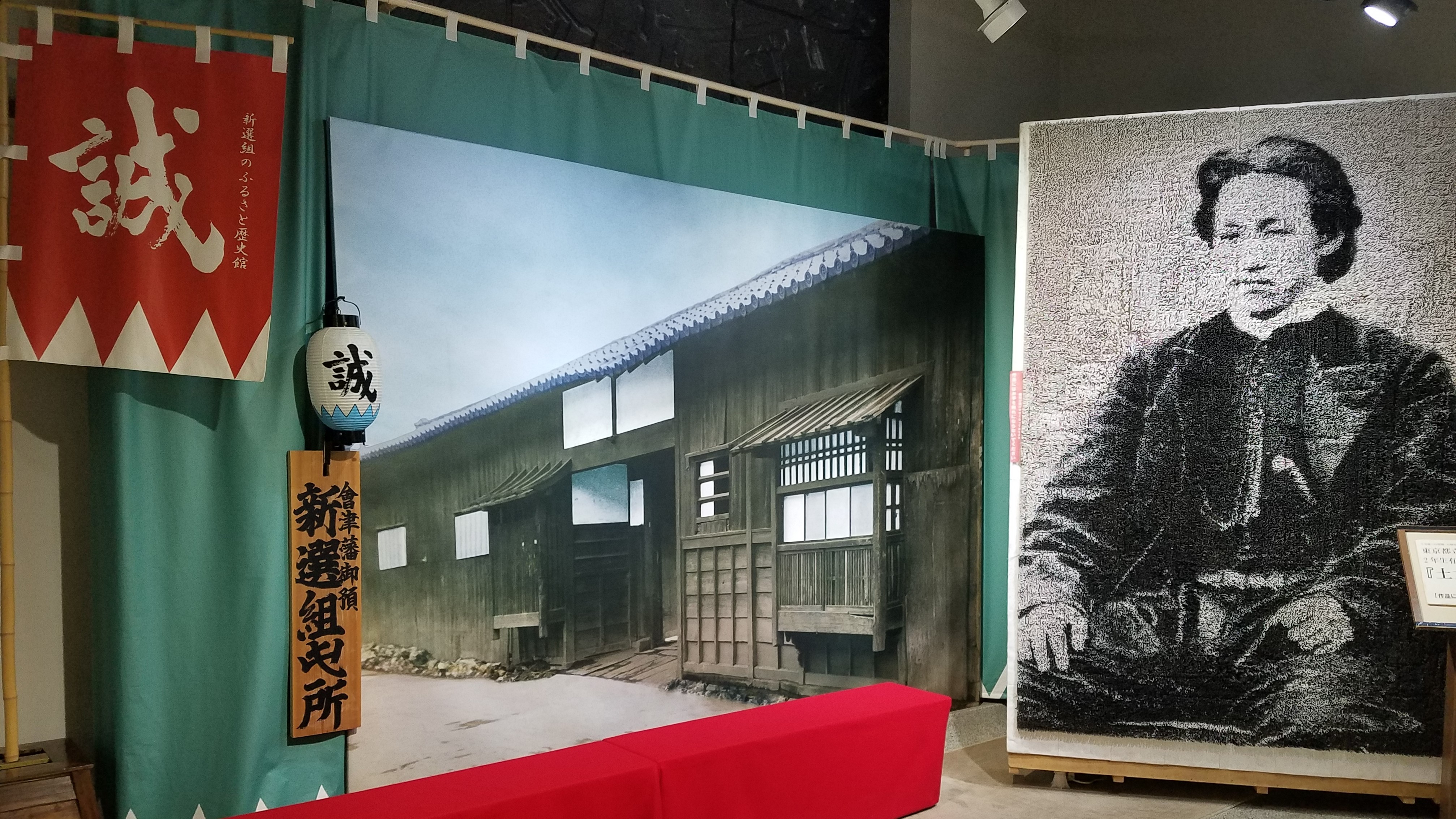
這件羽織不太受歡迎,反而「誠」字旗卻成為眾人所愛。八木為三郎憶述隊士特別喜歡在前川宅前空地上,一個接一個手舞足蹈地揮動著旗幟。他們更製造了「誠」字和山形紋的提燈,作屯所及晚間出勤之用。 本過著浪人生活的隊士如今安定下來,對他們而言,新選組這個身份讓他們尋獲心靈的認同感,而「誠」字更令自己尊嚴地以武士身份示人。選用「誠」字的三個原因也不及這份象征意義有重量。

 English
  Chinese